Context
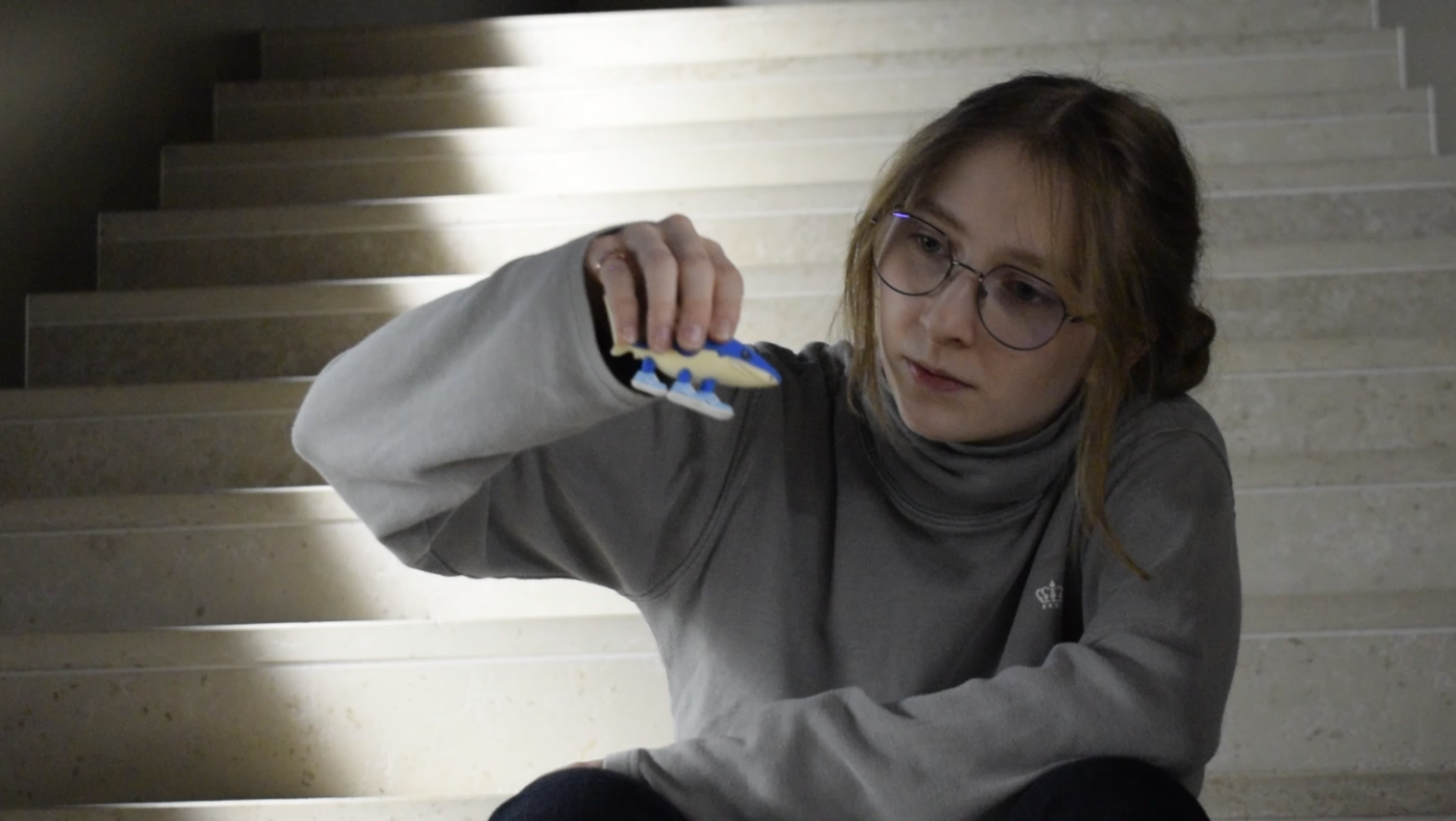
Knie's Kinderzoo in Rapperswil contacted our Digital Design class to collaborate on a project for our second semester. We were free to choose from different topics, including infrastructure, navigation, animal sponsorships, and many more. Since the issue of gathering donations to support the animal's wild counterparts really interested us personally, we chose to tackle this problem. It was a challenge to design a product aimed at children, and factoring in that the adults would be the ones actually donating to our cause. We decided to speak to the emotional aspect and investment in the individual animals that live in the zoo.
Knie's Kinderzoo in Rapperswil contacted our Digital Design class to collaborate on a project for our second semester. We were free to choose from different topics, including infrastructure, navigation, animal sponsorships, and many more. Since the issue of gathering donations to support the animal's wild counterparts really interested us personally, we chose to tackle this problem. It was a challenge to design a product aimed at children, and factoring in that the adults would be the ones actually donating to our cause. We decided to speak to the emotional aspect and investment in the individual animals that live in the zoo.
My Role
In this group project, I took on the role of design lead and mainly worked on the prototype and design system built in Figma. I was able to lean on my previous experiences developing digital prototypes and pitching to clients, and tried to help the others with their parts of the prototype as well.
In this group project, I took on the role of design lead and mainly worked on the prototype and design system built in Figma. I was able to lean on my previous experiences developing digital prototypes and pitching to clients, and tried to help the others with their parts of the prototype as well.
Process
After a first visit to the zoo, we realized that the on-premises information on animal sponsorships is sparse at best. The same lack of information goes for the website – the purchase of a sponsorship does not involve any information on how the money is actually used. Considering the amount of money spent on these sponsorships, the process is also not very emotionally appealing and does not provide an adequate user experience. After realizing that, we proceeded to conduct an ideation workshop on how to improve the user experience tied to animal sponsorship. After voting, we landed on a hybrid of different ideas – a sort of personality quiz to determine which animal is most like you and which one you should therefore sponsor. So we built our first paper prototype, which we tested, and then the iterations began. New features were added over time, and lastly, we got to test our prototype at the zoo with real visitors.
After a first visit to the zoo, we realized that the on-premises information on animal sponsorships is sparse at best. The same lack of information goes for the website – the purchase of a sponsorship does not involve any information on how the money is actually used. Considering the amount of money spent on these sponsorships, the process is also not very emotionally appealing and does not provide an adequate user experience. After realizing that, we proceeded to conduct an ideation workshop on how to improve the user experience tied to animal sponsorship. After voting, we landed on a hybrid of different ideas – a sort of personality quiz to determine which animal is most like you and which one you should therefore sponsor. So we built our first paper prototype, which we tested, and then the iterations began. New features were added over time, and lastly, we got to test our prototype at the zoo with real visitors.
Iterations
Our main adaptation was changing the frame size from the temporary phone screen preset to the actual Samsung Flip, which we'd be using for our presentation. This took some finessing as our components got sort of messed up from scaling. Another issue we ran into was the placement of the back and close buttons. We realized that kids and disabled people could not reach the top of the screen we're using, so we had to find a solution for that. We looked at how SBB does it on their screens and decided to mimic this method with our product. We also switched up the usage of AI pictures from the first iteration to real images of animals.
Our main adaptation was changing the frame size from the temporary phone screen preset to the actual Samsung Flip, which we'd be using for our presentation. This took some finessing as our components got sort of messed up from scaling. Another issue we ran into was the placement of the back and close buttons. We realized that kids and disabled people could not reach the top of the screen we're using, so we had to find a solution for that. We looked at how SBB does it on their screens and decided to mimic this method with our product. We also switched up the usage of AI pictures from the first iteration to real images of animals.
Learnings and Next Steps
Despite the time pressure and limited knowledge in the field from the team we managed to design an interesting solution that makes people smile. Since the briefing was realtively open we were sort of late on deciding which medium to use
Despite the time pressure and limited knowledge in the field from the team we managed to design an interesting solution that makes people smile. Since the briefing was realtively open we were sort of late on deciding which medium to use